Today I decide that my “delusion of grandeur” is not a childish fantasy or someone else’s punchline: it is my survival strategy and the map of my freedom. For years they called me “a dreamer” for living in other worlds. Now I understand that refuge was exactly what kept my hunger to experience and grow alive inside a reality that felt suffocating.
I admit, without a trace of guilt, that I am an ambitious person and I am not afraid to show it. For too long I made myself small, believing that was the only way I’d be accepted — trying to fit into the mold of the “good girl” or into the machinery of a system that grinds our passions down until there is nothing left but an empty shell. I will no longer apologize for spending my energy on what brings me joy, or for wanting a life that excites me to live instead of working for someone else’s dreams.
My expectations of myself are high, and far from being a burden, they are the fuel that gets me up every day. I am reaching for something great and spectacular. I want to be remembered and to leave a mark through my ideas, because if I can imagine it, in some sense it is already real. I don’t yet know exactly how I’ll get there. But that uncertainty no longer stops me — I carry it as part of the journey.
Movement gave me my power back. Just as I learned in dance — where I discovered I am strong and capable of hard things — today I choose to take up space and expand. I am not afraid of being different. I am not afraid of being a beginner who fails along the way. I know I have everything it takes to reach what I set my mind to.
I embrace this so-called delusion to build something bigger than anything I can even picture today. My goal is not just peace: it is adventure, risk, and the authorship of my own story. I am no longer my own enemy. I am my own best ally. I release the weight of the past so I can arrive — light — at everything that’s coming.
The present lights my way.
Consistency is my guide.
The future belongs to me.
I am worthy. I am incredible. I am going for it all.
Hoy decido que mi “delirio de grandeza” no es una fantasía infantil ni una burla ajena: es mi estrategia de supervivencia y el mapa de mi libertad. Durante años me llamaron “reina” por vivir en otros mundos. Ahora entiendo que ese refugio fue lo que mantuvo vivas mis ganas de experimentar y crecer en una realidad que se sentía asfixiante.
Admito, sin rastro de culpa, que soy una persona ambiciosa y no tengo miedo de mostrarlo. Durante demasiado tiempo me achiqué creyendo que solo así sería aceptada, intentando encajar en el molde de la “niña buena” o en la maquinaria de un sistema que consume nuestras pasiones hasta dejarnos como un cascarón vacío. Ya no voy a pedir perdón por invertir mi energía en lo que me da alegría, ni por desear una vida que me emocione vivir en lugar de trabajar para los sueños de otros.
Mis expectativas sobre mí misma son altas, y lejos de ser una carga, son el combustible que me impulsa a levantarme cada día. Aspiro a algo grande y espectacular. Quiero ser recordada y trascender a través de mis ideas, porque si soy capaz de imaginarlo, en cierto sentido ya es real. Aún no sé exactamente cómo voy a lograrlo. Pero esa incertidumbre ya no me detiene: la llevo como parte del camino.
El movimiento me devolvió el poder. Al igual que en el baile, donde descubrí que soy fuerte y capaz de hacer cosas difíciles, hoy elijo ocupar espacio y expandirme. No me asusta ser diferente. No me asusta ser una principiante que falla en el proceso. Sé que tengo los recursos para alcanzar todo lo que me propongo.
Abrazo este delirio para construir algo más grande de lo que siquiera puedo imaginar hoy. Mi meta no es solo la paz: es la aventura, el riesgo y la creación de mi propia narrativa. Ya no soy mi propio enemigo. Soy mi mejor socia. Me libero del peso del pasado para llegar liviana a todo lo que viene.
I isolated myself again. It happens every time I feel bad, and I think it’s something fairly common in the animal kingdom: to flee, to hide, to curl up and lick your own wounds. In my case, I disappear from every place I can, and emotionally disconnect from those I can’t avoid. Then, everything turns dull and monotonous. Food loses its flavor, colors stop shining. It’s as if I were seeing reality through a yellowish filter that stains everything in sepia.
In those moments, “being well” becomes an odyssey, that distant, almost unreachable goal that keeps us forever expectant. I’ve been thinking for a while about what “being well” really means — feeling good, experiencing life through joy rather than anxious agony — and it’s in moments like these that I feel all the progress I had built crumbling down. But in that same exploration, I also understood that even on the uphill path of improvement, there are valleys that make us doubt our ability to sustain change, and we must accept them as they come.
This week was one of those valleys; I hurt my back and couldn’t do the one activity that lights up my days: dancing. The break was so awful that it felt like entire weeks had passed, as I kept questioning whether the pain was truly unbearable or if I was exaggerating, questioning my own judgment. But it did hurt, and it still does. Resting is part of any training, taking care of the body too. And I learned it the hard way.
That’s why I isolated myself, again. I disappeared from everywhere, hid away, ran as if I had done something wrong, punishing myself before anyone else could. In that confinement, I realized this behavior is a pattern I’ve been dragging along for years: when I feel bad, I simply pull away and go silent. Because of it, I have lost friendships, and my social networks have turned into almost ghost towns.
The internal voices grow stronger when I feel this way. They whisper that no one loves me, that everyone is angry with me, that I’m worthless, that I will end up alone forever, sinking into my own madness. So I shrink even further inside myself, wondering who would ever want to share space with someone who feels so insignificant.
Once, I isolated myself so deeply that I even left my home country. I abandoned the world I knew because it felt suffocating, and growing up in the place that had hurt me so much seemed impossible. Today, I feel myself inside that shell again — but slowly breaking it. Locked inside my head, I find that the way out is by externalizing my emotions, and I do it through the way I have always found refuge: by dancing. Dancing is my way of breaking the silence, my key to communicating and expressing what’s happening inside me; dancing makes me free.
While the music plays, I find myself balancing my fears with every movement. With each step, the sepia pulls back and the colors return, inviting me to feel that, despite the pain and doubt, I am still alive.
For the past few years, I have been on the path of healing, a process that involves rebuilding my relationship with my body — a body I neglected for many years. I did whatever I wanted to it, treating it the way I was taught women should be treated: with violence. Years passed and the symptoms worsened. I could no longer even notice when I was disappearing from my own body, leaving it to become a hollow, empty shell. I pushed it to extremes, but deep inside, there was always something that kept the will to live, to set goals, to experience.
Today, I can see it. Today, I am reclaiming my body through dance. Today, I can fill the space inside the shell, occupy it, expand. Today, I move to create the reality I want.
Dancing doesn’t keep me from falling. It doesn’t keep me from doubting, from getting lost, from hiding. But just like in meditation, the important thing isn’t to never get distracted — the important thing is to return. Return to the body, return to the movement, return to the rhythm. Over and over, even if I get lost a thousand more times. Dancing teaches me that I can always come back to myself. That even when everything turns sepia, I still have a doorway back to color.
Me aislé otra vez. Sucede cada vez que me siento mal, y creo que es algo bastante común en el reino animal: huir, esconderse, acurrucarse para lamerse las propias heridas. En mi caso, desaparezco de todos los lugares donde puedo, y me desconecto emocionalmente de aquellos que no puedo evitar. Entonces, todo se vuelve aburrido y monótono. La comida pierde su sabor, los colores dejan de brillar. Es como si viera la realidad a través de un filtro amarillento que lo tiñe todo de sepia.
En esos momentos, “estar bien” se convierte en una odisea, en esa meta lejana, casi inalcanzable que nos deja por siempre expectantes. Ya hace tiempo vengo pensando en qué significa “estar bien”, sentirse bien, experimentar la vida desde el disfrute y no desde la agonía ansiosa; y son estos momentos los que siento que tiran abajo todo el progreso que pude haber construido. Pero en esa misma exploración también entendí que incluso en el camino hacia arriba de la mejora, también existen valles que nos hacen dudar de nuestras capacidades para sostener ese cambio, y hay que aceptarlos como vienen.
Esta semana fue uno de esos valles; me lastimé la espalda y no pude hacer la actividad que ilumina mis días: bailar. El break fue tan horrible que sentí como si hubieran pasado semanas enteras, cuestionándome si el dolor era realmente insoportable o si estaba exagerando, cuestionando mi propio juicio. Pero dolía de verdad, y sigue doliendo. Descansar es parte de cualquier entrenamiento, cuidar el cuerpo también. Y lo aprendí de la forma más dura.
Por eso me aislé, otra vez. Desaparecí de todos lados, me escondí, corrí como si hubiese hecho algo mal, castigándome antes de que alguien me diga algo. En este encierro, me di cuenta de que este comportamiento es un patrón que llevo arrastrando desde hacen años: cuando me siento mal, simplemente me alejo y callo. Por culpa de eso he perdido amistades, y mis redes sociales se volvieron casi fantasmas.
Las voces internas ganan fuerza cuando me siento así. Me susurran que nadie me quiere, que todos están enojados conmigo, que no valgo nada, que voy a terminar sola para siempre, hundiéndome en mi propia locura. Entonces me encojo más dentro de mí, preguntándome quién querría compartir espacio con alguien que se siente insignificante.
Una vez me aislé tanto que hasta me fui de mi país natal. Abandoné mi mundo conocido porque me sentía sofocada, y crecer en el lugar que me hizo tanto daño parecía imposible. Hoy vuelvo a sentirme dentro de ese caparazón, pero de a poco rompiéndolo. Encerrada en mi cabeza, encuentro que la salida es exteriorizando mis emociones, y lo hago de la manera en que siempre encontré refugio: bailando. Bailar es mi forma de romper el silencio, mi llave para comunicarme y expresar lo que me pasa; bailar me hace libre.
Mientras suena la música, me descubro balanceando mis miedos en cada movimiento. Con cada paso, el sepia retrocede y los colores regresan, invitándome a sentir que, a pesar del dolor y la duda, aún vivo.
Hace unos años me encuentro en el camino de la sanación, proceso que involucra mejorar mi relación con mi cuerpo, el cual descuidé por muchos años. Hice cualquier cosa de ella, la traté como me enseñaron a tratar a las mujeres: con violencia. Pasaron los años y los síntomas se volvieron cada vez peores. Ya no distinguía las veces que me desaparecía de mi cuerpo, dejándolo convertirse en un cascarón hueco, vacío. La llevé a extremos, pero siempre hubo algo en lo profundo que mantuvo las ganas de vivir, de cumplir metas, de experimentar.
Hoy lo puedo ver. Hoy recupero mi cuerpo y lo hago a travez del baile. Hoy puedo llenar el espacio dentro del caparazón, ocuparlo, expandirme. Hoy me muevo para crear la realidad que quiero.
Bailar no me evita caer. No me evita dudar, ni perderme, ni esconderme. Pero, igual que en la meditación, lo importante no es nunca distraerse, lo importante es volver. Volver al cuerpo, volver al movimiento, volver al ritmo. Una y otra vez, aunque me pierda mil veces más. Bailar me enseña que siempre puedo regresar a mí. Que incluso cuando todo se vuelve sepia, aún tengo una puerta de vuelta a los colores.
Learning means realizing that sometimes we see our lives from an angle that doesn’t allow us to truly live them. For a long time, I watched reality from the outside, like a spectator who couldn’t fully engage with what was happening. Eventually, I understood that I needed to change the way I looked at things—even if I didn’t know how to begin.
I chose to start this reflection here because this is the moment when I became aware of the limited perspective through which I had been viewing my life, piling up frustrations and disappointments. I’m sharing this story because it reflects exactly how I feel now: aware of the parallax error I repeated for so long, and finally ready to face it.
Reaching this clarity didn’t happen by chance. For years, I struggled with anxiety and depression, unresolved trauma, and a constant sense of not being enough. These experiences kept me locked in a narrow, limiting view of myself and the world. It was only about a year ago, when I began therapy with someone who truly understood me—and when I started prioritizing my mental health—that I was able to explore and challenge those deeply rooted beliefs. Therapy helped me identify harmful thought patterns, gave me tools to prevent emotional breakdowns, and allowed me to live more anchored in the present.
Before that—and for far too long—anxiety, depression, and trauma clouded my ability to see other perspectives. I was stuck in a single, rigid view where everything seemed either doomed or unreachable. It was a deep sense of helplessness: my unregulated emotions ran the show, dragging me wherever they pleased, whenever they pleased.
Living with complex PTSD, depression, and anxiety felt like being in a body on constant high alert, while my soul had shut down. I was always bracing for something terrible, even if nothing was actually happening, while an inner voice repeated over and over: “It’s your fault. You’re not going to make it. You’re not enough.” My mind jumped from painful memories of the past to catastrophic fears about the future, leaving no room for the present. My heart raced, my breath was tight, my chest was tense. And all of it was coated in a thick, numbing sadness that made even the smallest efforts feel enormous.
Because of all this, I kept running after things I thought would save me—a new project, a form of recognition, a relationship, a move to a different city. I clung to each goal desperately, convinced that this time, things would finally be different. But every time I reached something, it lost its shine. It became dull, insufficient, as if having it stripped it of meaning. And so, moving from desire to desire, from achievement to achievement, I collected disappointments that only reinforced the feeling that I was broken, incapable of holding on to anything good.
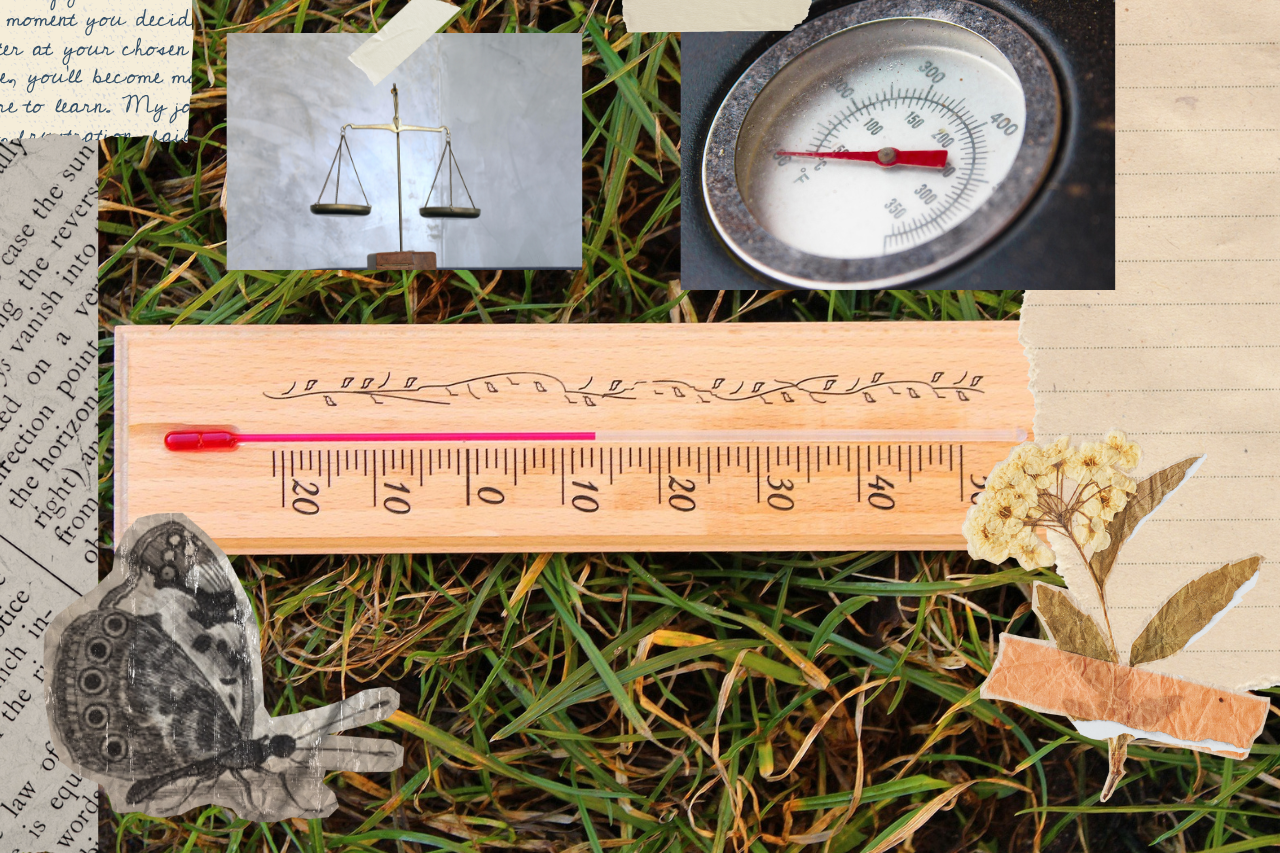
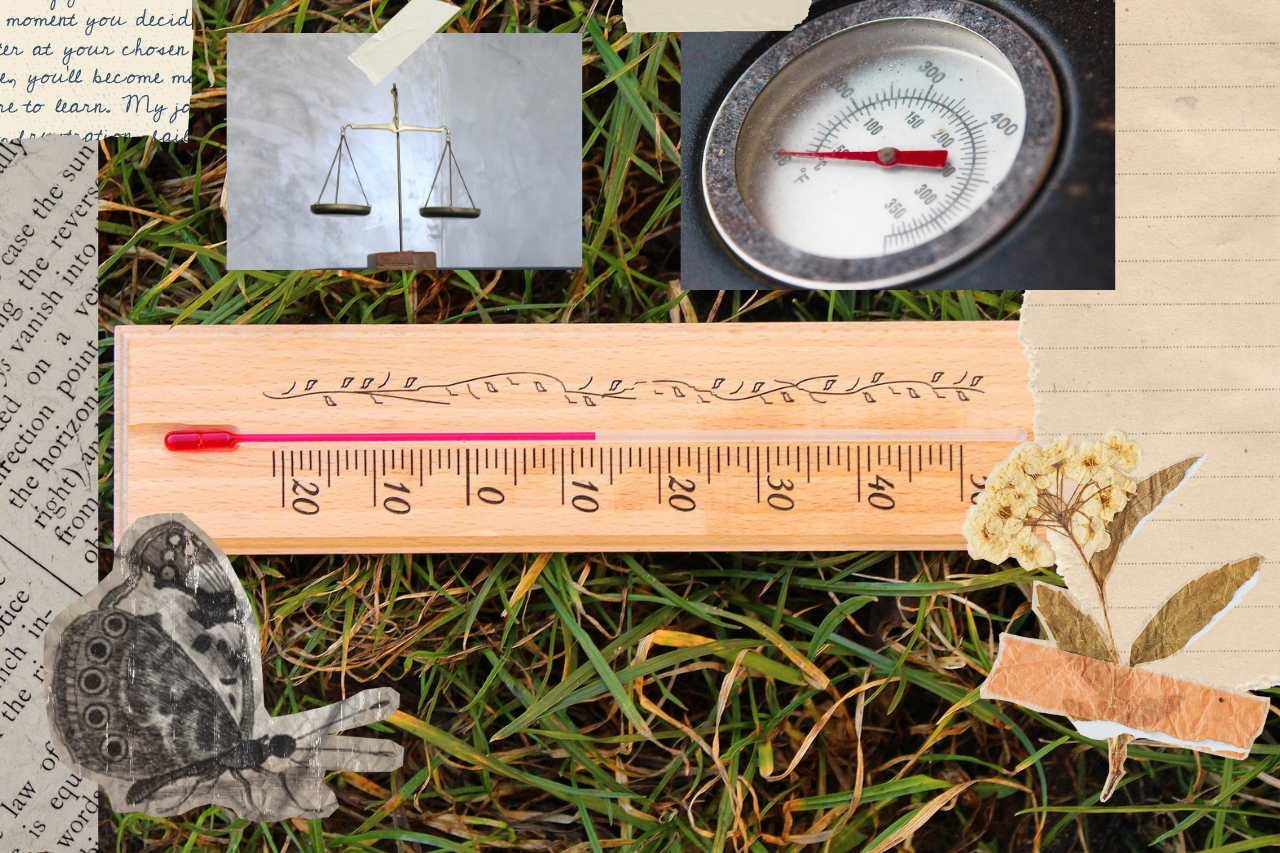
Why do I call this a “parallax error”? Because ever since I learned that concept in high school, it stuck with me. A parallax error happens when we measure something from the wrong angle, distorting the result. And for far too long, that’s exactly what I did with my life: I measured it from an angle that didn’t allow me to experience it fully, accumulating frustration and dissatisfaction along the way.
Over time, I came to understand that life isn’t about reaching a specific destination, or chasing the next carrot on a string. Existence loses its meaning when we only pursue goals without knowing how to enjoy them once we’ve reached them. That’s the real parallax error: seeing from the outside, through a lens that blocks out the experience of actually living. For years, I felt like a faulty instrument—unable to measure my own happiness, obsessed with escaping a stormy present and idealizing a future that never arrived the way I hoped it would.
Now I know that my true “error” was observing my life instead of living it, letting my emotions drag me deeper and deeper into despair. Today, I have the tools to recognize and manage those emotions before they take over. I know I have a support network of people who genuinely want to see me well. And I know that it’s possible to come back from that disconnected state I lived in for so long.
Though I still need to make the conscious effort to redirect my thinking, today I choose to be present. To inhabit my life fully—with everything that entails. Because if I keep watching from a distance, too afraid to live it, I’d only be letting the parallax error keep ruling my perspective.
Aprender significa darnos cuenta de que, a veces, miramos nuestra vida desde un ángulo que no nos permite vivirla plenamente. Durante mucho tiempo observé la realidad desde afuera, como una espectadora que no lograba involucrarse realmente en lo que estaba ocurriendo. Finalmente comprendí que necesitaba cambiar mi forma de ver las cosas, aunque al principio no supiera cómo hacerlo.
Decidí empezar esta reflexión justo en este momento porque fue aquí cuando tomé conciencia del ángulo limitado desde el cual había mirado mi vida, acumulando frustraciones y decepciones. Elegí contar esta historia porque refleja exactamente cómo me siento ahora: consciente del error de paralaje que cometí durante tanto tiempo y decidida a enfrentarlo.
Llegar a esta claridad no fue casualidad. Durante años luché contra trastornos ansiosos y depresivos, traumas sin resolver y una constante sensación de insuficiencia que me mantenía atrapada en una perspectiva limitada y limitante. Fue hace apenas un año, cuando comencé terapia con alguien que verdaderamente logró entenderme y cuando prioricé cuidar mi salud mental, que empecé a explorar y desafiar esas creencias profundamente arraigadas. La terapia me ayudó a identificar patrones dañinos de pensamiento, me brindó herramientas para prevenir crisis emocionales y me permitió vivir más conectada con el presente.
Antes de esto, y durante demasiado tiempo, la ansiedad, la depresión y los traumas nublaron mi capacidad para apreciar perspectivas diferentes, manteniéndome atrapada en una visión única en la que todo parecía imposible o destinado al fracaso. Era una sensación de desamparo total: las emociones desreguladas dominaban el juego, arrastrándome hacia donde ellas quisieran, cuando quisieran.
La combinación de estos trastornos se sentía como habitar un cuerpo en alerta constante pero con el alma apagada. Vivía siempre al borde de algo terrible, aunque nada estuviera ocurriendo realmente, mientras una voz interna repetía que todo era mi culpa, que no iba a poder, que no valía lo suficiente. Mi mente saltaba entre recuerdos dolorosos del pasado y preocupaciones catastróficas por el futuro, sin dejar espacio para el presente. El corazón acelerado, la respiración contenida, una tensión permanente en el pecho; todo teñido por una tristeza densa, sorda, que volvía titánico cualquier esfuerzo, incluso los más simples.
Como consecuencia, vivía corriendo detrás de ideas que creía que me iban a salvar: un proyecto nuevo, un reconocimiento, un vínculo, un cambio de ciudad. Me aferraba a cada meta con desesperación, convencida de que esa vez, sí, todo iba a cambiar. Pero cada vez que alcanzaba algo, dejaba de brillar. Se volvía opaco, insuficiente, como si al tenerlo ya no sirviera. Y así, de deseo en deseo, de logro en logro, fui acumulando decepciones que solo reforzaban la sensación de estar rota, de no poder sostener nada bueno.
¿Sabés por qué llamo a esto “error de paralaje”? Desde que aprendí este concepto en la secundaria, no pude dejar de pensarlo. El error de paralaje sucede cuando medimos algo desde un ángulo equivocado, distorsionando así el resultado real de un experimento. Durante mucho tiempo, yo medí mi vida desde un ángulo que no me permitía experimentarla plenamente, acumulando frustración e insatisfacción constante.
Con el tiempo entendí que la vida no consiste en llegar a un destino específico ni en alcanzar la próxima zanahoria. La existencia pierde sentido cuando solo perseguimos objetivos que no sabemos cómo disfrutar una vez alcanzados. El error de paralaje es justamente eso: observar desde afuera, desde una perspectiva que impide vivir plenamente. Durante años me sentí como un instrumento defectuoso, incapaz de medir correctamente mi propia felicidad, obsesionada con escapar de un presente tormentoso y soñando con un futuro ideal que jamás se materializaba como yo deseaba.
Ahora sé que mi verdadero “error” fue contemplar mi vida sin vivirla realmente, permitiendo que mis emociones me hundieran cada vez más profundamente. Hoy tengo las herramientas necesarias para reconocer y gestionar mis emociones a tiempo. Sé que cuento con una red de apoyo compuesta por personas que desean verme bien, y sé que es posible salir de ese estado de desconexión en el que estuve tanto tiempo.
Si bien aún tengo que hacer este proceso mental de forma consciente, hoy elijo estar presente, habitar mi vida con todo lo que implica. Porque al seguir mirando desde lejos, sin atreverme a vivirla, estaría dejando que el error de paralaje continúe dominando mi perspectiva.