• A Night Like So Many Others
    It was a night like so many others, so similar that I can’t tell them apart. I must have been about sixteen or seventeen; it happened so frequently that all the incidents blur together into one big tangle in my head. Once again, the same story: he came home late from “work,” and when she asked him where he’d been, instead of answering honestly and admitting his life wasn’t what he wanted, he threw a plate to make her be quiet (or a glass, or some tacky ’90s decoration from the shelf). She answered him angrily, because she was never one to stay silent, and he responded with a beating.

    Generally, by that point, it was already very late at night—around two or three in the morning on any given Wednesday or Friday. My brother and I were usually asleep, or at least in our rooms, because we had to get up early the next day for school. If there was one thing my mom made sure of, it was that we studied so we’d have opportunities in life; in the end, the two of us forged our own paths.

    Shouts, blows, shattered dishes: “You bitch, you’re driving me crazy! Isn’t everything I give you enough?” (I’m paraphrasing, but that was more or less what he said.) My brother and I found each other in the hallway at almost the same time, sharing that combination of “What do we do?” and “Oh, here we go again,” and like superheroes about to face a villain, we ran to the scene.

    When we arrived, my dad was kicking my mom, who lay on the floor having a panic attack. He claimed it was all “theater.” For a while, I believed him. I begged him to stop, but I felt disconnected from reality, numb to what I was seeing, paralyzed. Meanwhile, my brother—who by then was about fourteen—lunged at my dad to stop him. My dad didn’t want to hit him, so he made terrifying faces (bulging eyes, clenched mouth, heavy breathing), threatening to punch him if he didn’t move. My brother challenged him to go ahead. So my dad shoved him, throwing him against a window, which shattered into huge pieces.

    My mom, still struggling to breathe from her panic attack, ran to check if my brother was okay. That gesture fed into the claim of it being “theater”: “See? Nothing was wrong with you!” he repeated mockingly. I tried to intervene, asking everyone to please calm down and “sit down to talk like adults.” What did a teenage girl have to do with adulthood or conflict resolution? Of course, my plea was ignored and replaced by heated glares.

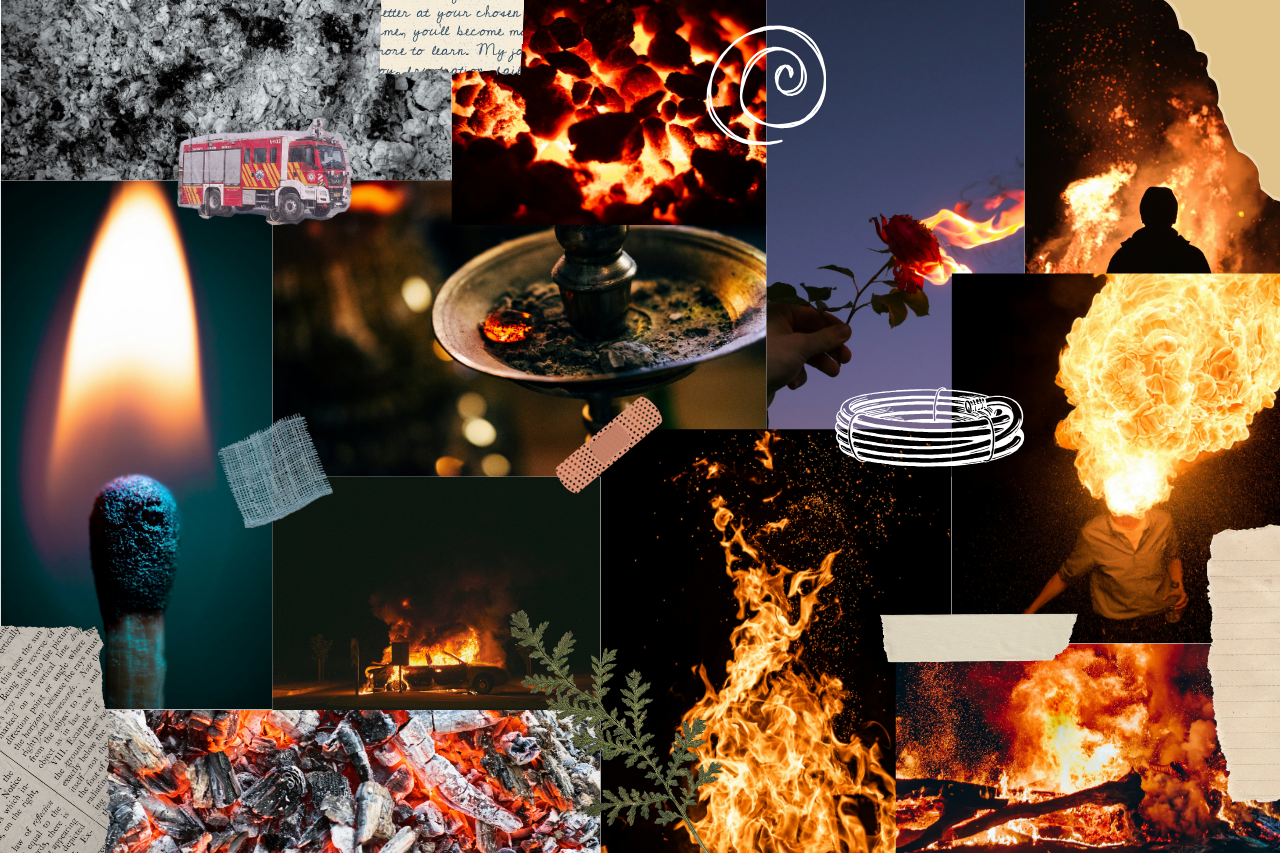
    The insults flared up again, and the fight moved to the patio, because my dad was planning to get in the car and leave. My mom didn’t want him to go; I pleaded with them to talk. Again, no one listened. So I opened the driver’s door and sat in the seat, saying that if he wanted to leave, he’d have to move me. My dad looked at me defiantly, surprised that I was confronting him, turned around, and walked briskly to a little storage room we had in the back, where we kept all kinds of things, including a lawn mower. He grabbed a can of gasoline he used for the mower, came back with it, and doused the car. Then he took a match from a box, lit it, and threw it at the vehicle.

    In an instant, I ran out of the car and, luckily, the match went out before causing a fire. I grabbed the hose on the patio and decided to use it, spraying the car with water. My dad got in, started the engine, opened the gate, and backed out. My mom, my brother, and I stood on the patio, side by side, not knowing what to do. We were scared but also relieved: the problem was over… for the moment. We hugged, went back into the house, cried together, and went to bed to begin the next day as if nothing had happened.

    More than ten years have passed since that scene, and I still remember it. Sometimes I feel anger, other times anguish. But I revisited it in therapy recently to finally give it closure, and I was able to see it with compassion: for myself, for those vulnerable teenagers, for that woman caught in a toxic relationship, and for the uncertain future that awaited us. Instead of hating my dad or blaming my mom for not changing the situation, I now recognize that girl who, at the time, just wanted to help. For a long time, I felt guilty—thinking that if I hadn’t gotten involved, I wouldn’t have been in danger. But back then, I only wanted to be useful and stop the harm.

    I also think of my mom, and how, despite experiencing that and other forms of violence almost daily, she still made sure my brother and I developed as best we could, that we grew up with a good education and healthy values, even in the midst of instability. It took me years to understand that my mom was a victim of the ingrained machismo of her generation. It took me a long time and my own experiences as a woman in this world to realize that those relationships are just as violent as they are consuming, and that after years of enduring beatings, seeing any way out of that reality seems impossible. I’m so glad she managed to do it.

    Today, I embrace those children we once were, and I embrace my mother too, offering a hand so we can keep moving forward. At the same time, I remind myself that from pain was also born the strength that—despite years of violence and abandonment—found the resilience to create its own story.
  • Una noche como muchas otras

    Era una noche como tantas otras, tan parecidas que me es imposible distinguirlas. Yo tendría unos 16 o 17 años; era algo que sucedía con tanta frecuencia que todos los episodios se me mezclan en una gran bola anudada en la cabeza. Una vez más, la misma historia: él llegó tarde del “trabajo” y, cuando ella le preguntó dónde había estado, en lugar de responder con honestidad y admitir que su vida no era la que quería, lanzó un plato para que se callara (o un vaso, o algún adorno noventero de la estantería). Ella le contestó con rabia, porque nunca fue de quedarse callada, y él respondió con una golpiza.

    Generalmente, para ese punto ya era muy tarde en la noche, alrededor de las dos o tres de la madrugada de un miércoles o viernes cualquiera. Mi hermano y yo solíamos estar dormidos, o por lo menos en nuestros cuartos, porque al día siguiente teníamos que levantarnos temprano para ir al colegio. Si hubo algo que mi mamá procuró, fue que estudiáramos para tener oportunidades en la vida; al final, los dos terminamos forjando las nuestras.

    Gritos, golpes, loza rota: “¡Hija de puta, me volvés loco! ¿No te alcanza con todo lo que te doy?” (Parafraseo, pero la idea era esa). Mi hermano y yo nos encontramos en el pasillo casi al mismo tiempo, con esa mezcla de “¿qué hacemos?” y “uy, otra vez”, y, como si fuéramos superhéroes a punto de enfrentarnos a un villano, corrimos a la escena.

    Al llegar, mi papá pateaba a mi mamá, que yacía en el piso con un ataque de pánico. Él decía que todo era “teatro”. Por un tiempo le creí. Yo gritaba que por favor parara, pero me sentía disociada de la realidad, anestesiada ante lo que veía, paralizada. Mientras tanto, mi hermano, que para entonces tendría unos 14 años, se abalanzó contra mi papá para detenerlo. Él no quería pegarle a mi hermano, así que le ponía caras aterradoras (ojos desorbitados, boca apretada, respiración fuerte), lo amenazaba con golpearlo si no se corría, y mi hermano le respondió que lo hiciera. Entonces, mi papá lo empujó y lo arrojó contra una ventana, que se rompió en pedazos enormes.

    Mi mamá, aún con la respiración entrecortada por el ataque de pánico, corrió a ver si mi hermano estaba bien. Ese gesto alimentó la idea del “teatro”: “¿Viste que no te pasaba nada?”, repetía él con tono burlón. Yo traté de mediar, pedí que por favor nos calmáramos y nos sentáramos a hablar como “gente adulta”. ¿Qué tenía que ver una adolescente con la adultez o con la resolución de conflictos? Por supuesto, mi pedido fue ignorado y reemplazado por miradas encendidas.

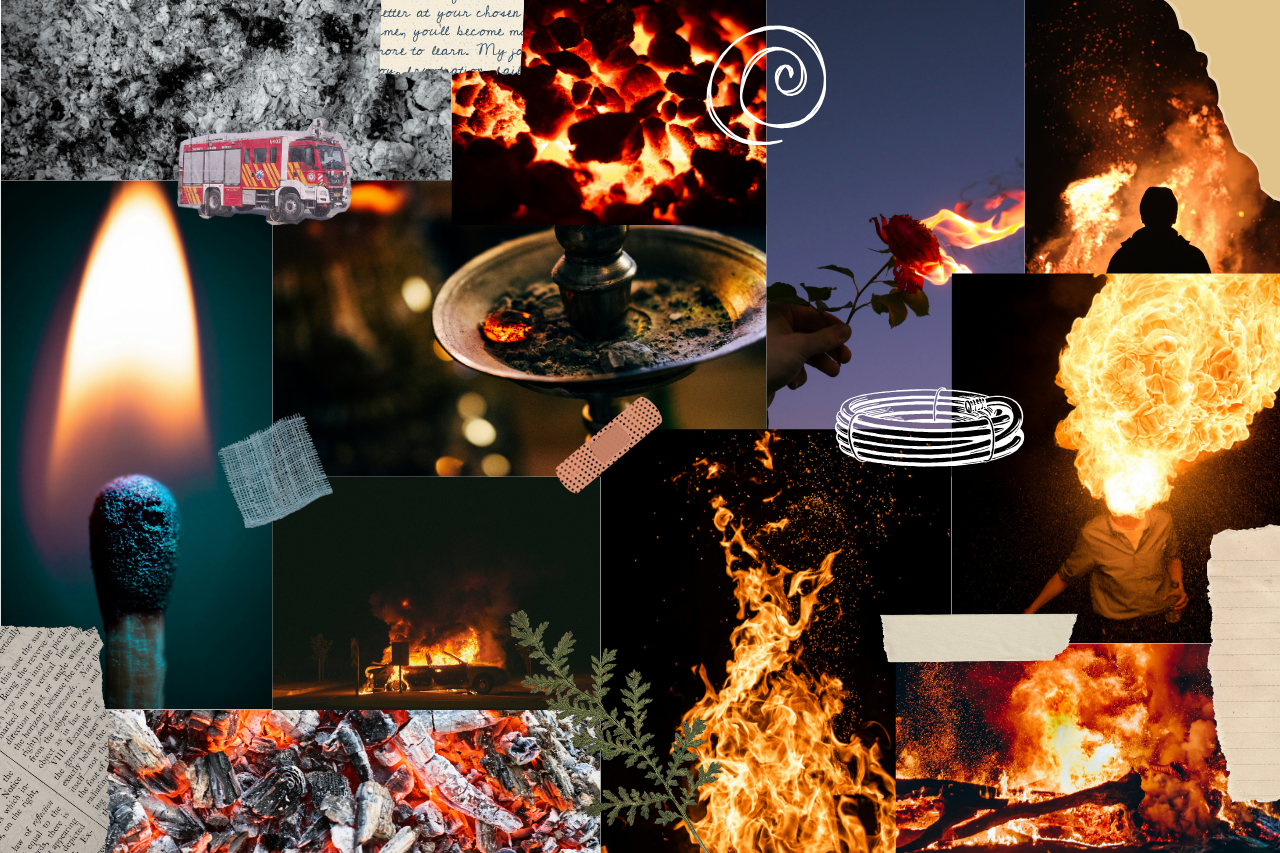
    Los insultos volvieron y la pelea se trasladó al patio, porque mi papá planeaba subirse al auto e irse. Mi mamá no quería que se fuera; yo les suplicaba que hablaran. De nuevo, nadie me escuchó. Entonces abrí la puerta del conductor y me senté en el asiento, diciendo que, si quería irse, iba a tener que sacarme de ahí. Mi papá me miró desafiante, sorprendido de que lo confrontara, se dio media vuelta y caminó con paso rápido hacia un cuartito que teníamos en el fondo, donde guardábamos de todo, incluida una cortadora de pasto. Tomó un bidón de nafta que usaba para la máquina, volvió con él y roció el auto. Luego sacó un fósforo de una caja, lo encendió y lo arrojó al vehículo.

    En un instante salí corriendo del auto y, por suerte, el fósforo se apagó antes de causar un incendio. Me crucé con la manguera del patio y decidí usarla para rociar el auto con agua. Mi papá se subió, encendió el motor, abrió el portón y salió marcha atrás. Mi mamá, mi hermano y yo nos quedamos de pie en el patio, uno al lado del otro, sin saber qué hacer. Teníamos miedo, pero también alivio: el problema había terminado… por el momento. Nos abrazamos, entramos en la casa, lloramos juntos y nos fuimos a dormir para empezar el día siguiente como si nada hubiera pasado.

    Pasaron más de diez años desde aquella escena, y todavía la recuerdo. A veces siento bronca, otras angustia. Pero más recientemente la revisité en terapia para darle un cierre y, por fin, pude verla con compasión: hacia mí, hacia esos adolescentes desamparados, hacia esa mujer atrapada en una relación tóxica y el futuro incierto que nos esperaba. En lugar de odiar a mi papá o culpar a mi mamá por no cambiar la situación, ahora reconozco a esa chica que, en su momento, solo quiso ayudar. Durante mucho tiempo me sentí culpable: pensaba que, si no me hubiese metido, no habría estado en peligro. Pero entonces solo quise ser útil y frenar el daño.

    También pienso en mi mamá y en cómo, a pesar de vivir esa y otras situaciones de violencia casi a diario, cada día se ocupaba de que mi hermano y yo nos desarrolláramos de la mejor forma posible, que creciéramos con educación de calidad y con valores sanos, pese a la inestabilidad que nos rodeaba. Me tomó varios años entender que mi mamá había sido víctima del machismo internalizado de esa generación. Me llevó mucho tiempo y experiencias propias como mujer en este mundo para comprender que esas relaciones resultan tan violentas como envolventes, y que, tras años de soportar golpizas, ver una salida a esa realidad parece imposible. Me alegra tanto que haya logrado hacerlo.

    Hoy abrazo a esos pequeños y a mi madre, y les tiendo la mano para seguir creciendo. Al mismo tiempo, me recuerdo que del dolor también nació la fuerza que, a pesar de años de violencia y desamparo, encontró la resiliencia para construir su propia historia.

  • A collage about love

    I swear there’s nothing I want more in life than to rationalize this, to find the logic, translate it somehow, or make it understandable to my brain. But I can’t. It doesn’t work, I don’t get it. It scares me.

    It breaks me to think that I have to be the one to take the first step because I overthink everything. I don’t know how to be spontaneous unless I’m under the influence of something. And I know that never ends well.

    I want everything to be crystal clear, and for this knot in my stomach to go away.
    I know this is real—I feel it. I also know it’s going to happen. The problem is when, under what circumstances, at what time and place. How will it be? What do I have to do?

    I’m nothing but a fool pretending to be grown, feeling like a teenager, reliving a thousand sensations all over again. I’m terrified. The uncertainty is painful, and the waiting is exhausting.

    I don’t know how to express myself anymore because it’s something I struggle with so much. I know you do too, but I think I’m more willing to endure the pain than you are.

    I’ve lost my appetite, yet I can’t help but smile, and the world is starting to notice. Being in love feels horrifying to me, especially when it’s this sincere. There are no shades of gray, no buts. It’s just one “yes” after another.

    The love I feel is so genuine that, ironically, I’m willing to endure the pain of living it.

  • Un collage sobre el amor

    Te juro que nada quiero más en la vida que poder racionalizar esto, encontrarle la lógica, traducirlo de alguna manera o hacerlo comprensible para mi cerebro. Pero no puedo, no me sale, no lo entiendo. Me da miedo.

    Me destroza pensar que tengo que ser yo quien dé el primer paso, porque pienso demasiado todo. No me sale ser espontánea, a menos que esté bajo la influencia de alguna sustancia. Y sé que eso nunca sale bien.

    Quiero que todo sea claro como el agua y que este nudo en el estómago se vaya.
    Sé que esto es real, lo siento. También sé que va a pasar. El problema es cuándo, bajo qué circunstancias, en qué momento y lugar. ¿Cómo va a ser? ¿Qué tengo que hacer?

    No soy más que una imbécil pretendiendo ser grande, sintiéndome como una adolescente, viviendo miles de sensaciones de nuevo. Estoy aterrada. La incertidumbre es dolorosa y la espera es tediosa.

    Ya no sé cómo expresarme, porque es algo que me cuesta horrores. Sé que a vos también, pero creo que yo estoy más dispuesta a soportar el dolor que vos.

    Perdí el hambre, pero no puedo evitar sonreír, y el mundo se está dando cuenta. Estar enamorada me resulta espantoso, sobre todo cuando es tan sincero. Esto no tiene matices, no tiene peros. Todo es un sí detrás de otro.

    Es un amor tan genuino el que siento que, irónicamente, estoy dispuesta a bancarme el dolor de vivirlo.

  • person in white shirt sitting beside table with puzzle game
    Photo by Karthik Balakrishnan on Unsplash

    The idea was simple: get together, play, and take pepa. That’s what we call LSD in Buenos Aires (I know other places, or other generations, call it something else, so I thought I’d clarify). Not sure if the disclaimer is necessary, but you know how I am.

    Everything was going fine. The music played, the lights flickered in the dim room, the summer heat clung to our skin. Until I looked in the mirror.

    Rule number one when taking hallucinogens: don’t look in the mirror.

    And there I was. A corpse.

    Gray, pale, thin, hollow-eyed, dead. I didn’t recognize myself. My body felt disposable, like a suit I was wearing but didn’t belong to me. As if I were suddenly seeing reality from inside a disguise. I detached from myself. I became a turtle retreating into its shell.

    Ten minutes earlier, I had stepped out of the shower. The water hadn’t been enough to wash off the sticky feeling of a sleepless night. I got dressed quickly and went back to the room, but something was already off. When I tried to explain it, my voice sounded distant, foreign. I lay down on the bed, staring at the ceiling with teary eyes. That ceiling. The one I knew too well, the one I had seen countless times on nights like this. Nights that were rarely sober.

    And then, you.

    You lay down beside me and ran your fingers through my hair without saying a word. You didn’t try to understand, you didn’t try to console me. You just stayed. And that was enough.

    Sometimes, I wonder if you really love me. But then I remember this. How you always know what I need without me having to say it. How you’re always one step ahead, how you know me better than I know myself.

    What we have isn’t like anything we were taught about love. It’s not like in the movies or the books. It’s something purer, more sincere, deeper. A kind of love no one knows how to put into words, which is why it almost never exists in stories. But I know it exists.

    That early Sunday morning, I saw it all so clearly. I felt dead, empty, loveless, completely alone. Trapped inside my shell. Hiding what I felt out of fear of how the world might react.

    I didn’t want the others to see me cry. I apologized a thousand times. I felt like I had already ruined the night. Like always.

    But you didn’t leave.

    And for a while, that was enough.

    Now, everything is different. The nights have gotten longer, even though we’re no longer out partying. It’s been a while since I’ve slept well.

    And you’re not here anymore to lie beside me, to pull me back from the storm inside my head. There’s no hand running through my hair, no silence speaking louder than words.

    That early Sunday morning, everything felt too real. But now, what weighs on me is what’s missing.

    And what’s missing is you.

    The plan changed. The game is over.

    And I will always be missing you.

  • person in white shirt sitting beside table with puzzle game
    Photo by Karthik Balakrishnan on Unsplash

    La idea era simple: juntarnos a jugar y tomar pepa. “Pepa” le decimos al LSD en Buenos Aires (sé que en otros lados, o en otras generaciones, le dicen distinto, por eso lo aclaro). No sé si viene al caso el disclaimer, pero ya sabés cómo soy.

    Todo iba bien. La música sonaba, las luces titilaban en la penumbra del cuarto, el calor del verano nos pegaba en la piel. Hasta que me miré al espejo.

    Regla número uno cuando tomás alucinógenos: no mirarte al espejo.

    Y ahí estaba. Un cadáver.

    Gris, pálida, flaca, ojerosa, muerta. No me reconocí. Mi cuerpo me pareció un envoltorio descartable, un traje que llevaba encima sin pertenecerme. Como si de pronto viera la realidad desde adentro de un disfraz. Me separé de mí misma. Me convertí en una tortuga encerrada en su caparazón.

    Diez minutos antes, había salido de la ducha. El agua no alcanzó para despegarme la sensación pegajosa de la noche en vela. Me vestí rápido y volví al cuarto, pero algo ya no estaba bien. Cuando traté de explicarlo, mi voz sonó distante, ajena. Me acosté en la cama, mirando el techo con los ojos llenos de lágrimas. Ese techo que conocía demasiado bien, que vi incontables veces en noches como esta. Noches que casi nunca fueron sobrias.

    Y entonces, vos.

    Te acostaste a mi lado y me acariciaste la cabeza sin decir nada. No intentaste entender, no intentaste consolar. Solo estuviste ahí. Y fue suficiente.

    A veces me pregunto si de verdad me querés. Pero después recuerdo esto. La forma en que sabés lo que necesito sin que lo diga. La manera en que siempre estás un paso adelante, en que me conocés mejor de lo que yo misma me conozco.

    Lo nuestro no se parece a nada de lo que nos enseñaron sobre el amor. No es como en las películas ni como en los libros. Es algo más puro, más sincero, más profundo. Un amor que nadie sabe cómo contar, por eso casi no existe en las historias. Pero yo sé que existe.

    Esa madrugada de domingo lo vi claro. Sentí que estaba muerta, vacía, sin amor, completamente sola. Encerrada en mi caparazón. Ocultando lo que siento por miedo a la reacción del mundo.

    No quería que los chicos me vieran llorar. Les pedí perdón mil veces. Sentía que ya había arruinado la noche. Como siempre.

    Pero vos no te fuiste.

    Y por un rato, eso bastó.

    Ahora, todo es distinto. Las noches se hicieron más largas, aunque ya no estemos de fiesta. Hace tiempo que no duermo bien. Y ya no estás acá para acostarte al lado mío y hacerme bajar de la tormenta en mi cabeza. Ya no hay una mano en mi pelo ni un silencio que me diga más que cualquier palabra.

    Esa madrugada de domingo todo se sintió demasiado real, pero ahora lo que pesa es lo que no está.

    Y lo que no está, sos vos.

    El plan cambió. El juego terminó.

    Y siempre me va a faltar vos.